



Accessible,
affordable and quality care CAN be achieved with innovative uses of
technology. Using media technology, web browsers, televisions or
computers, Simple Self Care practices like
the ones on this web page can be accessed by almost anyone who is
willing to give them a try. Resources
on
21CM
include movies, text, and pictures, all are in English except
Multi-lingual Quick Self-Help for Disasters.
 Humans Without Borders
English
 Spanish
 French

Indonesian
 Also
available
by
CD
ROM
or
DVD.
We
are looking for
translators. If you are
interested please contact us. 1-510-967-9005
Also
available
by
CD
ROM
or
DVD.
We
are looking for
translators. If you are
interested please contact us. 1-510-967-9005
DVDs
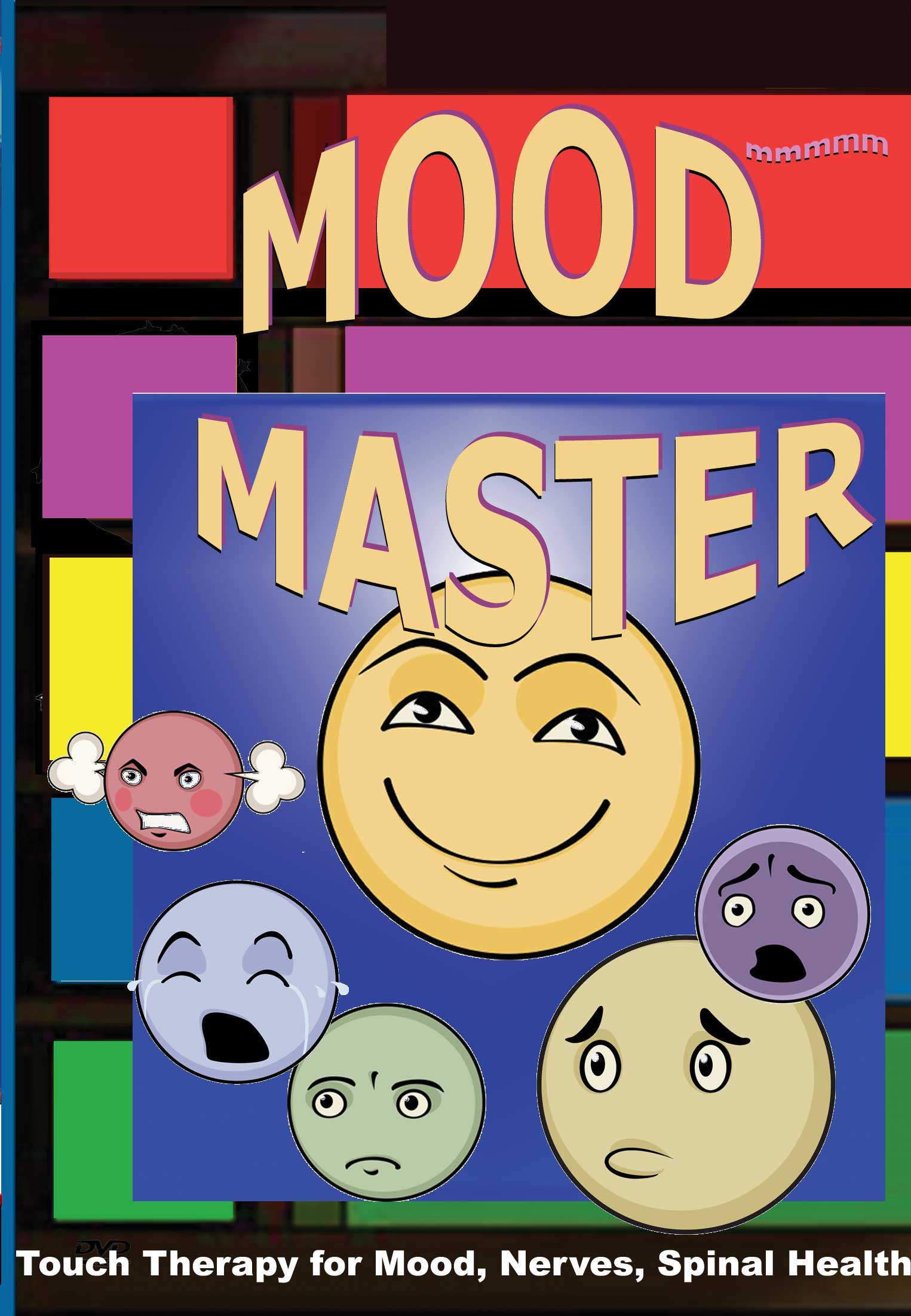 Mood Master
3
Recipes
for
Self-help
acupressure that have a postive effect on mood,
temperment, stress, and attitude. Short, segmented material makes
it easy to learn something useful quickly. 2 of the recipes can
be done on-the-go, anywhere, anytime. Learn them once, use them
the rest of your life.
Mood Master
3
Recipes
for
Self-help
acupressure that have a postive effect on mood,
temperment, stress, and attitude. Short, segmented material makes
it easy to learn something useful quickly. 2 of the recipes can
be done on-the-go, anywhere, anytime. Learn them once, use them
the rest of your life.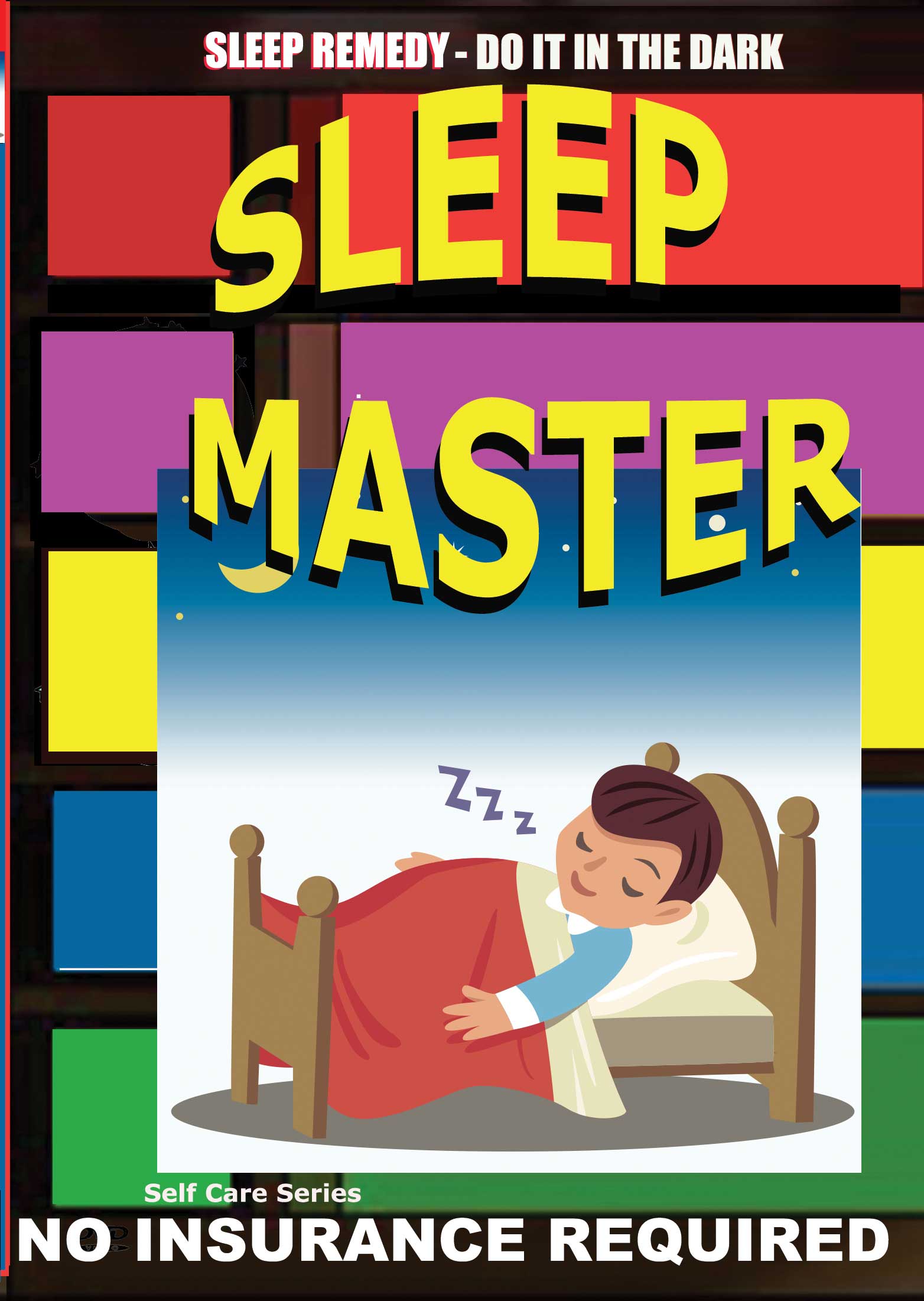
 On-Line
Videos
On-Line
Videos VIDEO:
HAPPINESS AND
HEALTH
VIDEO:
HAPPINESS AND
HEALTHPositive
health and
positive
emotions go hand in hand. If you find it hard to imagine,
check out this research, check
out your mood, and then check out these videos for some clever
tricks for smoothing out  Worry,
 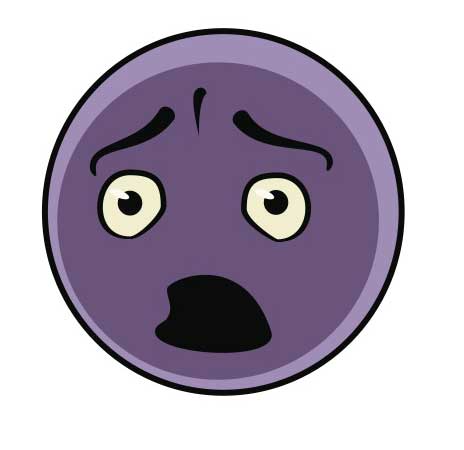 Fear
,
Fear
,
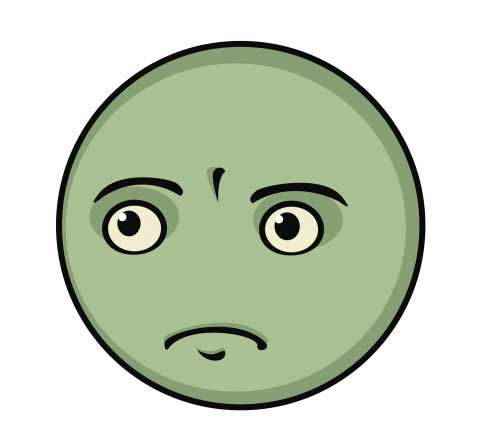 Frustration,
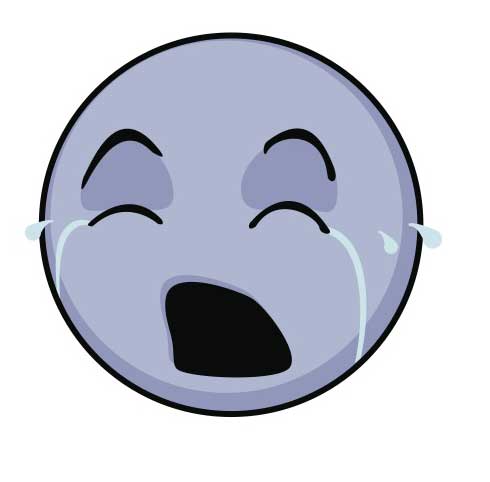 Sadness,
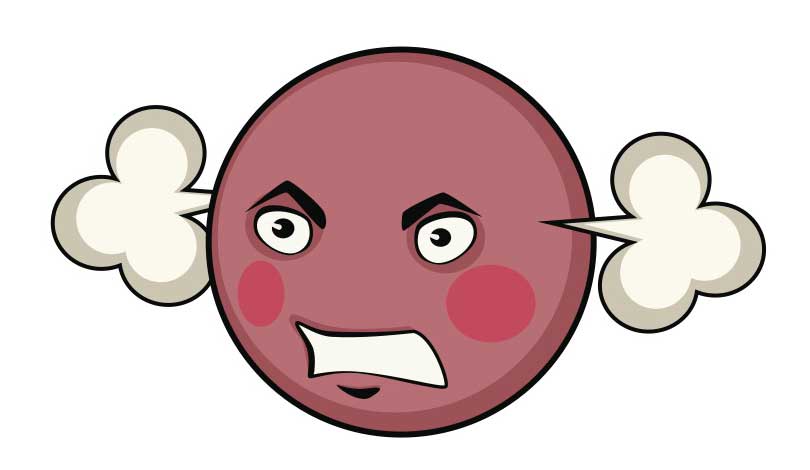 Anger.
Personalize your experience of the material by exploring how long, how loose or tight, etc. Give it a chance. The next time you think you're going to worry yourself sick, try self-help. Suggestion to try for 5 minutes, and if that doesn't work, try 15 minutes. These are so easy you can do them at work, at home, at school, in a doctor's office, clinic, hospital, etc. Use them anytime to shift your mood.
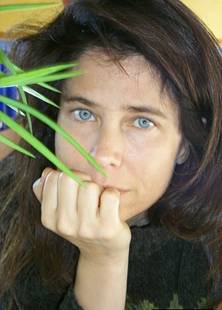
C. Mason,
CMT, Ph.D., has worked with psychohaptics for six years with
patients, families and caregivers in the Stanford and Berkeley
communities. She works with people with a variety of conditions
including immune disorders, cardiovascular conditions and PTSD.
Realizing many people cannot access or afford private sessions, she
created a cookbook for self-help haptics and made it available through
the web and on DVD. She teaches self-help to patients, families
and caregivers and has given lectures and workshops at various clinics
and hospitals in the Stanford and Berkeley areas including the Berkeley
Primary Care, Stanford Cancer Center, Kaiser Permanente Redwood City,
Veterans Administration Multi-Trauma Unit Palo Alto, the Japanese
Community Center, and the Jewish Community Center. Ms. Mason is a
research associate at Stanford University, specializing in the study of
mental and emotional state, and a virtual faculty of the Future
Health Technology Institute. She has received various awards
including a fellowship at Stanford Medical School and the National
Research Council. She began studying psychohaptics as a result of
her own personal experience with side effects of prescription medicines.
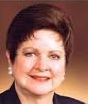 Eileen Mason, M.T., C.T., breast cancer survivor, the
eternally optimistic and humorous part of
the team, Earl's wife,
active in many large public health projects including nursing
education, heart health, MS Act, etc. Eileen received an award
for Outstanding Contribution to the Community in Palm Springs,
California. Among other things, she is famous for
having worked with fire departments from 3 different counties in
organizing a CPR class
for
1000 students on Valentine's Day.
Eileen Mason, M.T., C.T., breast cancer survivor, the
eternally optimistic and humorous part of
the team, Earl's wife,
active in many large public health projects including nursing
education, heart health, MS Act, etc. Eileen received an award
for Outstanding Contribution to the Community in Palm Springs,
California. Among other things, she is famous for
having worked with fire departments from 3 different counties in
organizing a CPR class
for
1000 students on Valentine's Day.
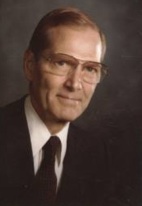 Earl Mason,
Ph.D., M.D., a good hearted country doctor
turned public health
advocate, retired and now active as a board member of the Stroke Activity Center in Palm Springs, vice chair of the Institute for Critical Care of U.S.C., clinical professor at Indiana University and U. Chicago. Earl is board certified in Nuclear Medicine, Pathology, Anatomic Pathology, Pathology - Dermatopathology, and Radioisotopic Pathology.
Earl Mason,
Ph.D., M.D., a good hearted country doctor
turned public health
advocate, retired and now active as a board member of the Stroke Activity Center in Palm Springs, vice chair of the Institute for Critical Care of U.S.C., clinical professor at Indiana University and U. Chicago. Earl is board certified in Nuclear Medicine, Pathology, Anatomic Pathology, Pathology - Dermatopathology, and Radioisotopic Pathology.
We now
know that the brain
influences much of our health, and that the brain is adaptive all
through our life. Touch is a neurotherapeutic - it influences the
messages and chemistry of our brain and nervous system and therefore
our health. The effect of touch is systemic. It influences
our mood, immune system, stress
reactions, and many if not all body functions.
Clicking
here, you see an fMRI image
taken at
Harvard's Gollub Imaging Lab - it shows how the brain
has changed after the stimulation of an acupoint on the hand.
Papers from the Touch Research Institute show positive results
with touch across a variety of health projects - including
prevention, metabolism, chronic conditions such as asthma, depression,
anxiety, etcetera. If science is the creation of facts about
observations in the world, then acupressure is the science of
medical touch, based on thousands of years of accumulated wisdom and
observation.
Its
popularity in the U.S., Canada, and elsewhere is
growing under various trade-names, but we all already
know this care, just like we understand a hug. It is as natural
as the sky or the moon. Please
check out some of the papers on touch.

Happiness and Brain Plasticity (Kaiser Hospital - 2007) Integrating Eastern Modalities Into Western Healthcare Systems (Palo Alto VA - 2007) Improving Quality of Life with Self-Help (Stanford Cancer Center 2007)
U.S.
Tri-Health Caucus
A Primatoloigsts View of
Medicine
Decade of the Brain Research 
The
Good Heart
Global Medicine Technology
Institute
for Touch
Research Papers
Tactile
Research
in
Primates
Harvard on
Mood and Health
Psychoneuroimmunology
Touch
in
Labor
and
Infancy
Other Related Work.....
 All
Self-Help
instruction on this website are GREEN CARE - no
medical waste is generated in either its development or
use. It is also
non-medicinal, requiring no drugs or
equipment, and can be safely integrated with other medical tools.
It works by regenerating and supporting the body's own natural healing
systems using methods based on touch. One
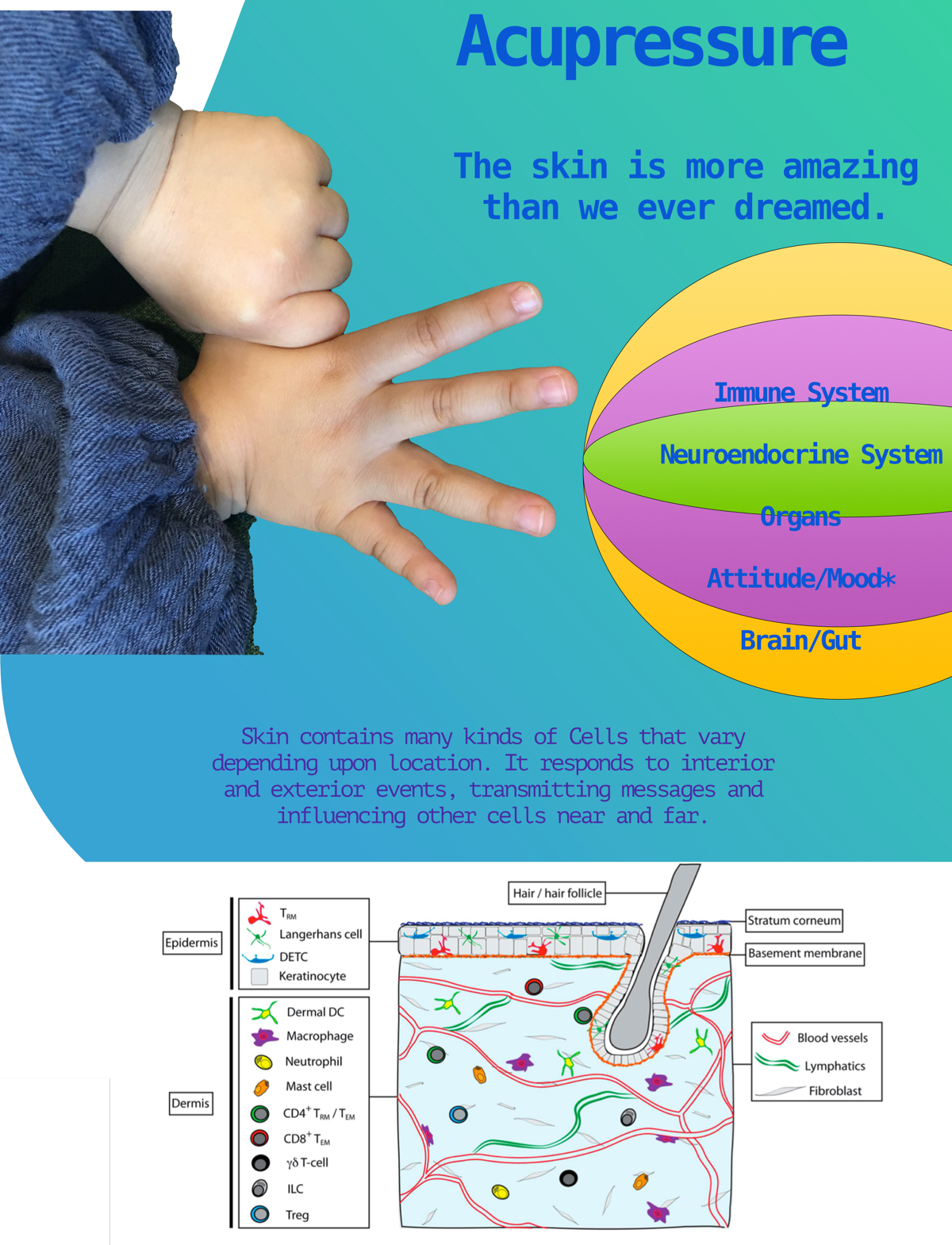
square inch of
skin contains approximately 21,000 nerve endings. Nerves reach
the entire length and breadth of the body and transmit signals through
the spine to the brain, influencing glands, immune, fluids,
heart rate, emotions, etc.
All
Self-Help
instruction on this website are GREEN CARE - no
medical waste is generated in either its development or
use. It is also
non-medicinal, requiring no drugs or
equipment, and can be safely integrated with other medical tools.
It works by regenerating and supporting the body's own natural healing
systems using methods based on touch. One
square inch of
skin contains approximately 21,000 nerve endings. Nerves reach
the entire length and breadth of the body and transmit signals through
the spine to the brain, influencing glands, immune, fluids,
heart rate, emotions, etc.
TOUCH AS MEDICINE - Elizabeth Blackwell, the first female physician, understood the importance of touch in healing, regardless of whether the complaint was big or small. The idea of using touch as part of healing is as old as mankind. We are born of touch. It was once an integral part of healthcare. Some would say it is common sense, but no longer so common. People who are shut-in, who spend a lot of time in a sick bed or wheel chair often report being touch starved. It improves our mood, lightens our heart, and gives us hope. It creates changes in immune response, increases density in spinal tissue, and influences our genes to change the way we respond to stress. There may come a day soon when love and touch are understood by science to be just as important to health as many of our pharmaceutical and surgical methods. When this day comes, the way we currently treat the sick will be viewed as archaic, backwards, and inhumane. The world of the sick is a very different world from the world of working and highly functional people. Few who have not experienced it will ever be able to imagine it. Luckily, there are those among us who have experienced it, lived through it, and are now sharing what they learned that helped. The acupressure recipes on our website are part of a large body of wisdom that is passed down through centuries of teacher-student relationships and are based on many hundreds of years of clinical expeience and observations.
Not
only is touch a great human comfort, science has now shown it changes
our response to stressors, improves the immune system, etc. (see some
of the references on this website). As a form of Self-Help, acupressure
is a great resource not only because of it positive effect on us, but
also because it is so easily available. Learning it takes very little
time but has a big impact on your health, no equipment is needed, and
it is non-medicinal. With the hands, all of use are capable
of using acupressure on ourselves and those we care for to preserve and
restore quality of life, in sickness and in health.
Global
Medicine - A term coined by
Dr. Mehmet Oz at Presbyterian Hospital in New York, refers to the idea
that in
little more than
a decade, linkages between
health care technologies of different cultures and continents have
merged,
resulting in global medicine technology. The next generation of
young
scientists
and clinicians from both the research and clinical communities are
merging established ancient technologies from outside the U.S. with
modern medical technology and forging
new ground in an increasingly challenging health care climate.
Presently researchers, clinicians and communities are active in finding
ways of using global medical technology to attack our most difficult
and chronic (therefore expensive) health care problems. Using
recent inventions such as the fMRI, researchers and clinicians are
understanding how and why they work.
______________________________